
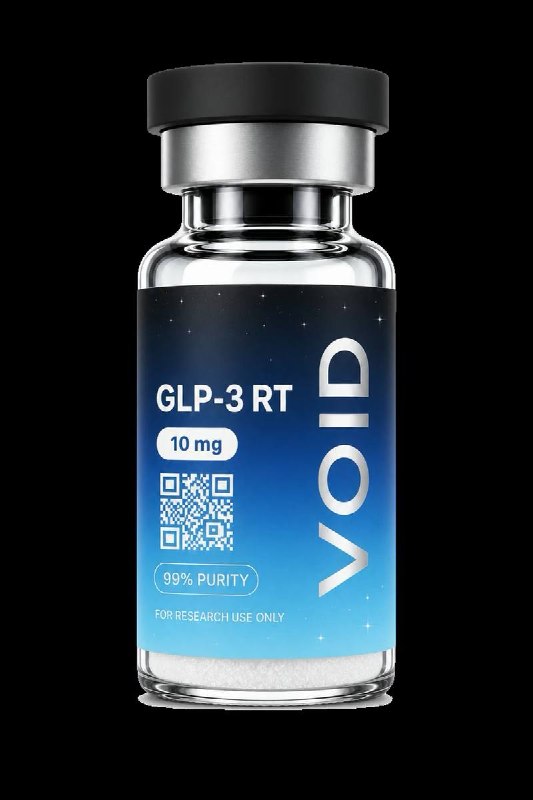
GLP-3 RT
Price range: $45.00 through $165.00
Discover GLP-3 RT at Void Research. Explore available product specifications, compound identification, analytical documentation, and laboratory research information. Review relevant quality resources and product details before evaluating this research material. Intended strictly for qualified laboratory and in-vitro research.
GLP-3 RT – Research Compound Information and Quality Standards
Research into specialized compounds continues to attract attention across biochemical and laboratory science. As interest in peptide-related research grows, accurate product identification, transparent documentation, and reliable analytical information become increasingly important.
GLP-3 RT is a product name that visitors may encounter when exploring specialized research compounds. At Void Research, our focus is on providing access to product information and research-related resources that help qualified laboratory professionals evaluate available materials responsibly.
Whether you are reviewing GLP-3 RT for the first time or comparing research compound documentation, understanding the importance of specifications, batch identification, and analytical testing is an essential starting point.
Explore the Void Research catalog to discover available research categories and review the information provided for individual products.
Understanding GLP-3 RT
Before evaluating any specialized research product, it is important to establish its exact scientific identity. Product abbreviations and commercial names do not always correspond to standardized scientific terminology.
Researchers should confirm the compound’s full name, molecular description, composition, and relevant documentation before making assumptions about its properties.
GLP-related terminology can appear in discussions of glucagon-like peptide pathways and biochemical research. However, the term GLP-3 RT alone does not establish a specific molecular identity, mechanism, or clinical application.
For this reason, product-specific documentation and reliable scientific references should be used when evaluating GLP-3 RT.
Why Product Specifications Matter
Product specifications provide important information about the material being offered. They help researchers distinguish between different compounds, presentations, and batches.
When reviewing GLP-3 RT product information, consider the following:
- Exact compound identification and full scientific name.
- Listed composition and product specifications.
- Batch or lot identification.
- Available analytical testing documentation.
- Relevant storage and handling information.
- Research-use restrictions and safety information.
These details help researchers assess whether the available documentation addresses the requirements of their laboratory work.
Understanding Quality Testing and COA Documentation
A Certificate of Analysis (COA) is an analytical document associated with a tested sample or batch. Depending on the testing program, it may provide information about compound identity, purity, measured content, and other quality characteristics.
A useful COA should identify the tested material, provide relevant batch information, and explain the analytical methods used.
Researchers should remember that a purity percentage does not automatically confirm every aspect of product quality. Different tests evaluate different properties, and each result should be interpreted according to its method and limitations.
When evaluating GLP-3 RT, reviewing the actual analytical report is more informative than relying exclusively on general promotional statements.
Exploring Research Products at Void Research
Void Research provides an online catalog for visitors interested in research compounds and laboratory-related products.
The website offers a starting point for exploring available product categories, reviewing individual descriptions, and learning about the company’s research-focused approach.
Visitors should review each product listing independently because different materials have different scientific identities, specifications, and documentation requirements.
For the latest information, consult the official Void Research catalog and the relevant product pages.
Responsible Laboratory Research
Responsible research requires appropriate laboratory facilities, qualified personnel, suitable procedures, and compliance with applicable regulations.
Research materials should be evaluated according to their documented characteristics and handled in accordance with relevant laboratory safety requirements.
Scientific publications, product descriptions, and analytical reports should be interpreted carefully. A product listing does not establish medical approval, clinical effectiveness, or suitability for human or veterinary use.
Discover Void Research
At Void Research, visitors can explore research-focused product information and related laboratory categories. Our website provides a starting point for reviewing available materials and understanding the importance of transparent product documentation.
If you are researching GLP-3 RT, begin by confirming its exact scientific identity and reviewing all available product specifications.
Visit Void Research to explore the catalog and access current product information.
Research-use disclaimer: Products offered for research purposes are strictly intended for qualified laboratory and in-vitro research. They are not intended for human or veterinary consumption, administration, diagnosis, treatment, cure, prevention, or clinical application. Always follow applicable regulations and laboratory safety requirements.
8. Frequently Asked Questions
What is GLP-3 RT?
GLP-3 RT is a product name that requires confirmation against its full scientific identity and product documentation. Visitors should consult the relevant listing and supporting information.
Where can I find GLP-3 RT product information?
Review the relevant Void Research product page for available specifications, documentation, and current listing information.
What is a Certificate of Analysis?
A COA is a document reporting analytical results for a particular sample or batch. It may include information about identity, purity, and other measured characteristics.
Why is batch documentation important?
Batch documentation helps connect analytical results to a specific production lot and supports more informed product evaluation.
Is GLP-3 RT intended for human consumption?
No. Research-only products are not intended for human or veterinary consumption, administration, or clinical application.
| MG | 5mg, 10mg, 20mg, 30mg |
|---|
Be the first to review “GLP-3 RT”
Related products



Reviews
There are no reviews yet.