AHK-Cu


Price range: $50.00 through $110.00
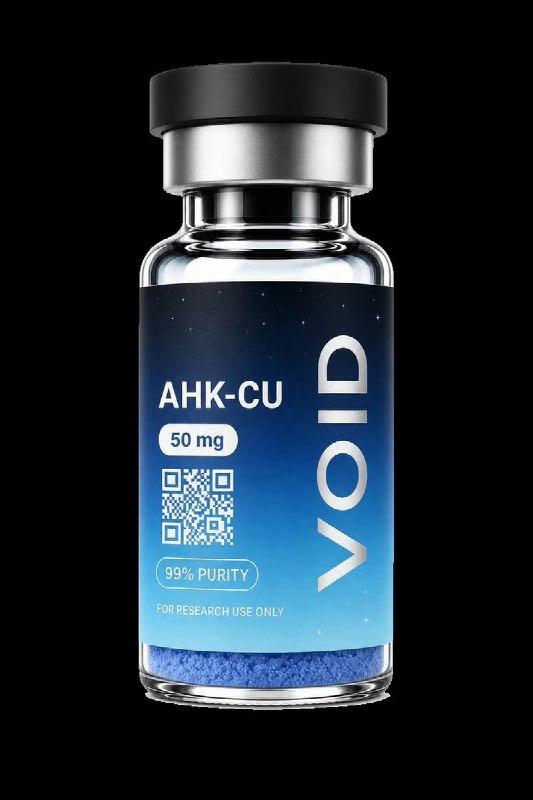
Explore AHK-Cu, a copper-binding peptide of scientific interest, at Void Research. Review available product specifications, compound information, batch documentation, and analytical quality resources. Discover research-focused product information and laboratory documentation before evaluating this compound for an appropriate research project. Strictly intended for qualified laboratory and in-vitro research.
AHK-Cu Peptide – Copper-Binding Research Compound
AHK-Cu is a copper-binding peptide that has attracted attention in peptide science and biochemical research. As interest in specialized research compounds continues to expand, understanding peptide structure, copper-binding characteristics, and analytical documentation is important when evaluating laboratory materials.
At Void Research, visitors can explore research-focused products and review available information relating to compound identification, product specifications, and quality documentation. Our goal is to make it easier for researchers to investigate available materials and understand the importance of transparent product information.
Whether you are researching copper-binding peptides, examining peptide structures, or exploring laboratory research compounds, AHK-Cu provides an interesting subject for further scientific investigation.
What Is AHK-Cu?
AHK-Cu is a peptide associated with copper-binding chemistry. Its name refers to an amino acid sequence involving alanine, histidine, and lysine, together with copper. Copper is an essential trace element involved in numerous biochemical processes, making copper-binding molecules an area of scientific interest.
Researchers studying copper-binding peptides may investigate molecular structure, metal coordination, chemical stability, and interactions under controlled laboratory conditions.
AHK-Cu should not be confused with GHK-Cu. Although both are copper-associated peptides, they have different amino acid sequences and should be evaluated as distinct research compounds.
Understanding Copper-Binding Peptides
Copper-binding peptides are studied because of their ability to interact with copper ions through specific molecular features. These interactions can be relevant to investigations of coordination chemistry, peptide structure, and biochemical behavior.
The characteristics of an individual peptide depend on its amino acid sequence, molecular configuration, and surrounding experimental conditions.
Important Research Considerations
When evaluating AHK-Cu, researchers may consider:
- Molecular identity and amino acid sequence.
- Copper association and coordination characteristics.
- Chemical stability under defined conditions.
- Available analytical testing methods.
- Batch identification and traceability.
- Product specifications and supporting documentation.
These considerations help distinguish a scientifically identified compound from a product described only through general marketing terminology.
AHK-Cu and Peptide Research
AHK-Cu is associated with research discussions involving copper-binding peptides and molecular interactions. Research interest in a compound should always be separated from claims about demonstrated medical or cosmetic outcomes.
Laboratory findings depend on the experimental model, methodology, material characteristics, and conditions under which a study is conducted. Results from one experimental setting cannot automatically be applied to another.
For this reason, researchers should consult scientific publications and evaluate the available evidence before drawing conclusions about AHK-Cu.
Why Product Quality and Documentation Matter
Reliable documentation is an important consideration when sourcing research compounds. A product name or advertised specification alone does not establish the identity or quality of a particular batch.
Researchers evaluating AHK-Cu should look for relevant product information, batch identification, and analytical reports.
Important documentation may include:
- Compound identification information.
- Batch-specific Certificates of Analysis (COAs).
- Available purity testing.
- Analytical methods and reported results.
- Testing laboratory details.
- Product handling and storage information.
A Certificate of Analysis can help researchers understand which tests were performed on a particular sample. However, a purity percentage alone does not confirm every quality characteristic, including identity, exact content, sterility, or suitability for a particular experiment.
Explore AHK-Cu at Void Research
Void Research provides a research-focused catalog for visitors interested in peptide compounds and related laboratory materials.
When exploring AHK-Cu, review the individual product listing for its exact specifications, available documentation, and current availability. Researchers should also compare the supplied information with their laboratory requirements and relevant scientific references.
Explore the official Void Research website to discover additional research compounds, peptide categories, and available product resources.
AHK-Cu: Responsible Research and Laboratory Standards
Responsible research requires accurate product identification, qualified personnel, appropriate laboratory facilities, and established safety procedures.
Researchers should follow relevant institutional requirements and applicable regulations when evaluating and handling laboratory materials. Product descriptions do not replace safety documentation, independent verification, or professional scientific judgment.
AHK-Cu should be considered only within its stated research-use context. Research products are not automatically approved medicines, cosmetic ingredients, dietary supplements, or treatments.
Discover More Research Compounds at Void Research
If you are exploring copper-binding peptides, peptide science, or laboratory research materials, Void Research offers a starting point for discovering its available catalog.
Review product descriptions, examine available quality documentation, and explore related research categories to find information relevant to your scientific interests.
Visit Void Research to explore AHK-Cu and discover more about the research-focused product range.
Important Research Disclaimer
AHK-Cu and other research products are intended strictly for qualified laboratory and in-vitro research. They are not intended for human or veterinary consumption, administration, diagnosis, treatment, cure, prevention, cosmetic application, or clinical use. Always follow applicable laws, institutional requirements, and laboratory safety procedures.
| MG | 50mg, 100mg |
|---|
Be the first to review “AHK-Cu”
Related products





Reviews
There are no reviews yet.